Berberine for Blood Sugar: Is It Really “Nature’s Ozempic”?
Berberine is called “nature’s Ozempic,” but how does it compare with GLP-1 drugs and metformin? What studies show on blood sugar, weight and side effects.
By Helsa Health editorial team
Last updated
Quick answer
Berberine is a plant compound sold as a supplement. It is often called “nature’s Ozempic.” That label is misleading. In trials, berberine lowers blood sugar and cholesterol a little. Its effect on body weight is small, and it is not a substitute for GLP-1 drugs or metformin. It also interacts with some medicines, so talk to a clinician before you try it.
What is berberine?
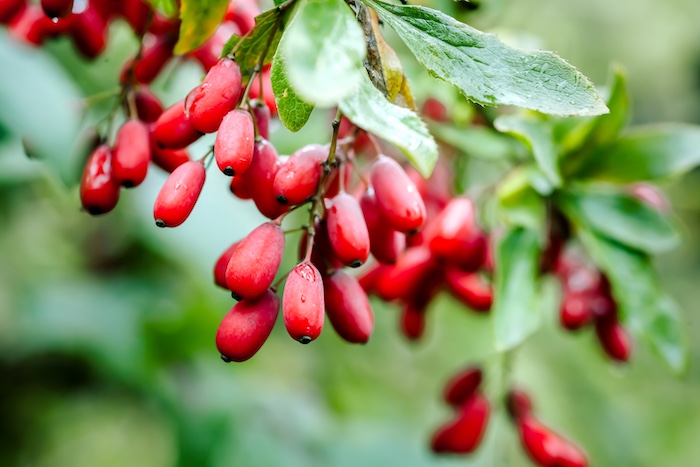
Berberine is an alkaloid found in plants such as barberry (Berberis vulgaris), Chinese goldthread (Coptis chinensis) and goldenseal (Hydrastis canadensis). It has a long history in traditional medicine. Researchers study it for effects on blood sugar, blood fats and inflammation.
What the research shows
Blood sugar
A 2023 meta-analysis pooled 20 placebo-controlled trials (1,761 people). Berberine lowered fasting glucose, HbA1c, fasting insulin and HOMA-IR, a measure of insulin resistance. The authors saw larger effects in people with diabetes. They also noted that some subgroup findings still need to be replicated (Zhao et al., 2023).
A 2021 meta-analysis of 46 trials in type 2 diabetes found similar results. Berberine lowered HbA1c, fasting glucose and after-meal glucose, often alongside standard diabetes treatment (Guo et al., 2021).
Compared with metformin, the evidence is thin. In one small pilot trial, 36 adults with newly diagnosed type 2 diabetes took berberine or metformin for three months. Both lowered blood sugar by a similar amount (Yin et al., 2008). One small trial is not enough to call the two equal.
Cholesterol and inflammation
A meta-analysis of 16 trials (2,147 people) found that berberine lowered total cholesterol, LDL cholesterol and triglycerides. The authors warned that the trials varied a lot and often had a high risk of bias (Ju et al., 2018).
A smaller meta-analysis of five trials found a lower C-reactive protein (CRP), a marker of inflammation (Beba et al., 2019).
Weight
Weight loss is where the “nature’s Ozempic” label falls apart. A 2026 meta-analysis of 23 trials found an average loss of about 0.9 kg with berberine (Elahi Vahed et al., 2026). In the STEP 1 trial, people on semaglutide 2.4 mg lost 14.9% of their body weight over 68 weeks, compared with 2.4% on placebo (Wilding et al., 2021). These are very different results.
Limits of the evidence
- Many berberine trials are small and short.
- An umbrella review of 11 meta-analyses said the methods of those reviews need improvement. It called for confirmation in high-quality trials (Li et al., 2023).
- Products differ in purity and strength. Supplements are not regulated like medicines.
- Most results come from people with type 2 diabetes. We know less about people with normal blood sugar.
Safety
- Common side effects: constipation, diarrhea and other stomach upset (Li et al., 2023). In the Yin pilot trial, about one in three people reported temporary stomach symptoms.
- Low blood sugar: berberine can add to the effect of diabetes medicines. A recent review lists additive low blood sugar, low blood pressure and QT prolongation as concerns.
- Drug interactions: berberine affects liver enzymes such as CYP3A4 and CYP2D6. In kidney transplant recipients, it raised cyclosporine exposure by about 35% (Dumitru et al., 2026).
- Pregnancy and breastfeeding: do not use berberine unless a clinician advises it.
Tell your doctor or pharmacist before you start berberine. This matters most if you take medicine for diabetes, blood pressure or heart rhythm, or any transplant drug. Dose and timing are a decision for you and your clinician. The doses used in trials vary. For example, the Yin trial used 0.5 g three times a day.
What to do instead, or alongside
Food, movement, sleep and stress shape blood sugar more than any supplement. These guides cover the basics:
- Mediterranean vs. low-carb eating for blood sugar
- Weight loss and diet tracking science
- How to reverse prediabetes
If you do try berberine, you can log it in Helsa next to your meals and glucose readings. That helps you and your clinician see what changes.
This article is for information only. It is not medical advice.
References
- Zhao JV et al. Overall and sex-specific effect of berberine on glycemic and insulin-related traits: a systematic review and meta-analysis of randomized controlled trials. J Nutr. 2023. PubMed
- Guo J et al. The effect of berberine on metabolic profiles in type 2 diabetic patients: a systematic review and meta-analysis of randomized controlled trials. Oxid Med Cell Longev. 2021. PubMed
- Yin J et al. Efficacy of berberine in patients with type 2 diabetes mellitus. Metabolism. 2008. PubMed
- Ju J et al. Efficacy and safety of berberine for dyslipidaemias: a systematic review and meta-analysis of randomized clinical trials. Phytomedicine. 2018. PubMed
- Beba M et al. Effect of berberine on C-reactive protein: a systematic review and meta-analysis of randomized controlled trials. Complement Ther Med. 2019. PubMed
- Elahi Vahed I et al. The effect of berberine on obesity indices: a systematic review and meta-analysis. Int J Obes. 2026. PubMed
- Wilding JPH et al. Once-weekly semaglutide in adults with overweight or obesity. N Engl J Med. 2021. PubMed
- Li Z et al. Berberine and health outcomes: an umbrella review. Phytother Res. 2023. PubMed
- Dumitru CN et al. Berberine-drug interactions: mechanisms, clinical relevance and risk stratification, a narrative review. Pharmaceuticals (Basel). 2026. PubMed