What to Eat on Ozempic, Wegovy or Mounjaro: GLP-1 Diet Guide
What to eat on Ozempic, Wegovy, Mounjaro or Zepbound: protein targets, the best foods, what to limit, and how to eat to ease nausea and constipation.
By Helsa Health editorial team
What to eat on Ozempic, Wegovy, Mounjaro or Zepbound comes down to three priorities: enough protein at every meal, nutrient-dense whole foods (vegetables, fruit, legumes, whole grains, nuts and seeds), and enough fluids. These medicines sharply reduce appetite, so every bite has to work harder; a 2025 joint advisory from four medical and nutrition societies says a simple target of about 80–120 g of protein a day may be easier to follow than weight-based targets. Go easy on fatty and fried foods and alcohol, which can worsen nausea and reflux, and cut back on sugary drinks and ultra-processed snacks that crowd out the nutrients you need.
This guide explains why nutrition matters more on a GLP-1, what to put on your plate, how to eat around common side effects and when to call your doctor. It does not cover dosing; follow your prescriber’s instructions for that. If you take Wegovy tablets, follow the label’s instructions on timing food and drinks around each dose.
Why what you eat matters more on a GLP-1
Semaglutide (Ozempic, Wegovy) and tirzepatide (Mounjaro, Zepbound) are powerful medicines. Ozempic and Mounjaro are FDA-approved for type 2 diabetes; Wegovy and Zepbound are approved for long-term weight management, plus some other uses.
In the STEP 1 trial of adults without diabetes, semaglutide 2.4 mg led to an average weight loss of 14.9% over 68 weeks, versus 2.4% with placebo. In SURMOUNT-1, tirzepatide led to average losses of 15–21% over 72 weeks depending on dose, versus 3.1% with placebo. Individual results vary. All four labels pair the medicine with diet and physical activity; Wegovy and Zepbound are approved “in combination with a reduced-calorie diet and increased physical activity.”
Eating much less creates new challenges. The 2025 advisory from the American College of Lifestyle Medicine, the American Society for Nutrition, the Obesity Medicine Association and The Obesity Society highlights:
- Gastrointestinal side effects, especially early in treatment and after dose increases.
- Nutrient gaps from eating less food overall.
- Muscle and bone loss along with fat loss.
- Weight regain after stopping: up to two-thirds of lost weight may return within a year.
According to the advisory, good nutrition helps ease GI side effects, prevent nutrient gaps, limit muscle and bone loss and support long-term weight maintenance.
What to eat on Ozempic and other GLP-1s: the plate
Think “protein first, plants second, quality carbs third.”
1. Protein at every meal
Enough protein, combined with strength training, helps preserve muscle and bone while you lose weight. The advisory notes that the standard recommended dietary allowance is 0.8 g per kg of body weight per day, that higher targets of 1.2–1.6 g/kg/day have been proposed during active weight loss, and that an absolute target of 80–120 g per day may be easier to follow. There is no consensus yet on the best target. Ask your clinician or dietitian which target fits you, especially if you have kidney disease. Our guide to how much protein you need on a GLP-1 goes deeper.
Good choices: fish and seafood, chicken or turkey, eggs, Greek yogurt, cottage cheese, tofu, tempeh, edamame, lentils and beans. When your appetite is low, eat the protein part of the meal first so it doesn’t get left on the plate.
2. Vegetables and fruit
Non-starchy vegetables and whole fruit add fiber, vitamins, minerals and volume for few calories. The CDC’s diabetes plate method is a handy template: fill half a 9-inch plate with non-starchy vegetables, a quarter with lean protein and a quarter with carbohydrate foods.
3. High-fiber carbohydrates
Choose legumes, oats, barley, quinoa, brown rice, whole-grain bread and starchy vegetables over refined grains. In a large Lancet review, long-term observational studies found that people who ate the most fiber had 15–30% lower rates of heart disease, stroke, type 2 diabetes and early death than those who ate the least, with the biggest risk reductions at about 25–29 g of fiber a day. If nausea is a problem, the advisory suggests going easy on very high-fiber foods in the first few days of treatment, then building fiber up gradually.
4. Healthy fats, in modest portions
Olive oil, nuts, seeds and avocado are nutritious, and the advisory encourages them. But fatty foods and large, high-fat meals can worsen nausea or diarrhea on a GLP-1, so use them as part of meals rather than the main event.
5. Fluids
Water, unsweetened tea and broth all count. All four labels warn that dehydration from nausea, vomiting or diarrhea can lead to kidney problems (acute kidney injury), and their medication guides stress drinking fluids.
Eat more, eat less: quick reference
| Eat more | Eat less |
|---|---|
| Fish, poultry, eggs, Greek yogurt, cottage cheese | Fried, greasy and fast foods |
| Beans, lentils, tofu, tempeh, edamame | Sugary drinks and sweetened coffee drinks |
| Non-starchy vegetables and whole fruit | Refined grains, pastries and sweets |
| Oats, quinoa, barley, whole grains | Ultra-processed savory snacks |
| Nuts, seeds, olive oil (small portions) | Red and processed meats |
| Water and other unsweetened drinks | Alcohol |
The “eat less” column follows the advisory, which recommends minimizing refined carbohydrates, sugar-sweetened beverages, red and processed meats, and most fast foods, ultra-processed sweets and savory snacks, and cutting back on fatty foods when nausea or diarrhea are a problem. It adds that alcohol may worsen nausea and reflux on GLP-1 therapy and should be minimized.
How to eat to ease side effects
Nausea, diarrhea, vomiting and constipation are among the most common side effects listed in all four labels. According to the advisory, they are most likely early in treatment and after dose increases, and tend to ease on a stable dose. Food choices can help:
- Nausea: Eat smaller meals more often. The advisory suggests a small breakfast and then small meals every 3–4 hours while drinking enough fluids, and avoiding fatty or high-fiber foods in the first few days of treatment. Try not to go long stretches without eating, since nausea often shows up in the morning or after long gaps. Large meals make vomiting more likely. Ginger or peppermint tea may help.
- Diarrhea: Avoid large or high-fat meals and replace lost fluids.
- Constipation: Drink enough fluids and gradually increase fiber from foods; the advisory mentions prunes and other dried fruits as helpful.
- Reflux: Keep meals small, limit alcohol and high-fat foods, and try to finish eating at least 3 hours before you lie down, as the NIH’s digestive disease institute (NIDDK) suggests.
When to call your doctor
The medication guides for these drugs say to contact your healthcare provider promptly if you have:
- Severe stomach pain that won’t go away, with or without vomiting, sometimes felt in your back (a possible sign of pancreatitis).
- Pain in your upper stomach, fever, yellowing of your skin or eyes, or clay-colored stools (possible gallbladder problems).
- Nausea, vomiting or diarrhea that won’t go away, or you can’t keep fluids down, since dehydration can harm your kidneys.
- Signs of low blood sugar, such as shakiness, sweating, dizziness or confusion, especially if you also take insulin or a sulfonylurea.
Get emergency help for signs of a serious allergic reaction, such as swelling of the face, lips, tongue or throat, or trouble breathing. Before any surgery or procedure with anesthesia or sedation, tell every healthcare provider involved that you take one of these medicines, because slower stomach emptying raises the risk of food getting into the lungs.
Who needs individual advice
General tips are not enough for everyone. Talk with your care team about a personal plan if you have:
- Kidney disease or a history of kidney stones: your protein target, fluids and food choices may need tailoring.
- Diabetes treated with insulin or a sulfonylurea: the labels note a higher risk of low blood sugar, and your prescriber may need to adjust those medicines. Don’t change doses on your own.
- A pregnancy, plans for one, or you are breastfeeding: the labels include specific guidance for these situations.
- A history of an eating disorder: the advisory recommends care from both an obesity medicine specialist and an eating disorder specialist.
A sample day of eating
This is an illustration, not a prescription. Portions depend on your appetite and your care team’s advice. Protein amounts are rough estimates based on USDA FoodData Central values and vary by brand and portion.
| Meal | Example | Approximate protein |
|---|---|---|
| Breakfast | Plain Greek yogurt (about 3/4 cup) with berries and 1 tbsp chia seeds | about 17–20 g |
| Lunch | Salad of leafy greens, 3 oz (85 g) chicken breast and 1/2 cup lentils, with olive oil | about 35 g |
| Snack | Cottage cheese (1/2 cup) with cucumber | about 12–14 g |
| Dinner | 3 oz (85 g) baked salmon, 1/2 cup quinoa and roasted vegetables | about 25–28 g |
| Total | about 90–100 g |
If whole meals feel like too much, split them: eat half now and the rest a few hours later.
Nutrients to watch
Eating less can make it harder to get enough of certain nutrients. The advisory lists nutrients of concern including iron, calcium, magnesium, zinc and vitamins A, D, E, K, B1, B12 and C. It recommends regularly reviewing what you eat and drink and rechecking nutrient levels during therapy. It also says supplements such as vitamin D, calcium, B12 or a multivitamin-mineral can be considered for nutrients you are at risk of missing, tailored to your needs. Tell your clinician about possible deficiency signs such as unusual fatigue, excessive hair loss, flaky or itchy skin, muscle weakness, poor wound healing or unusual bruising. Ask before starting supplements.
Don’t forget muscle
Food is only half of muscle protection. The advisory recommends pairing GLP-1 therapy with a structured exercise program: strength training at least three times a week plus at least 150 minutes of moderate aerobic activity to help preserve muscle and bone, matched to your fitness level. If you are new to strength training, start with bodyweight moves or resistance bands and build gradually, and check with your clinician first if a health condition limits exercise. For how much protein to aim for, see how much protein you need on a GLP-1.
Tracking without overthinking
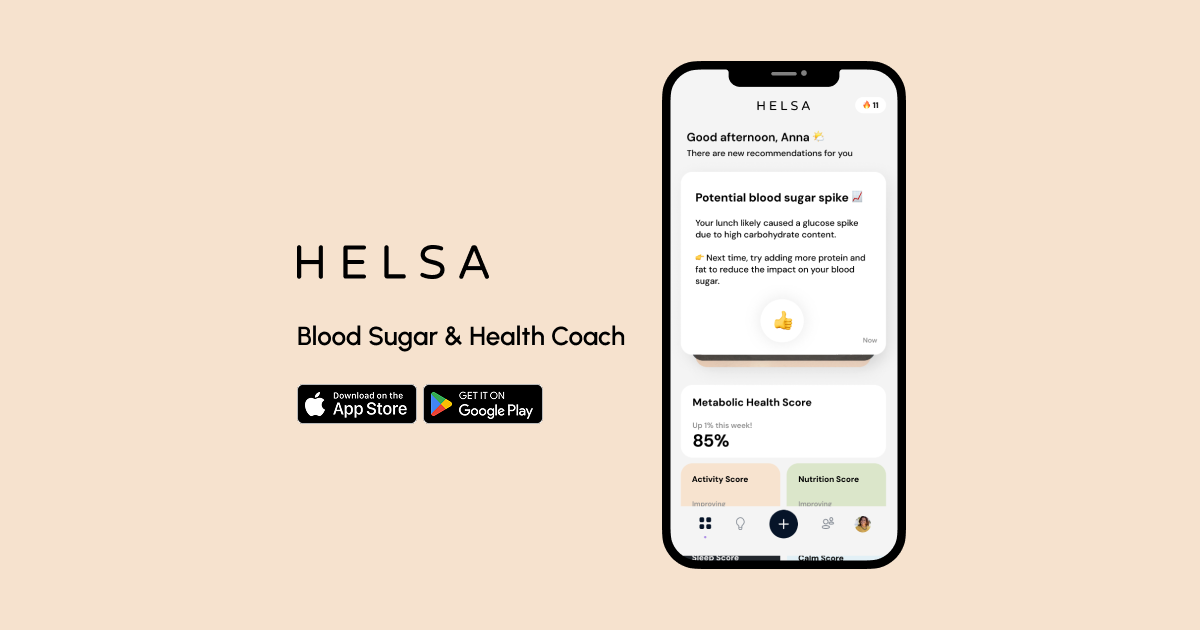
When appetite drops, it is easy to under-eat protein and fiber without noticing. The advisory recommends regularly reviewing intake and hydration, for example with food logs or food photos. An app like Helsa lets you log a meal with a photo or voice note and get an AI nutrition analysis, so you can spot gaps and adjust your next meal. For other options, see our comparison of apps for GLP-1 users.
Frequently asked questions
Can I eat whatever I want on Ozempic or Wegovy?
You can eat a wide range of foods, but you will be eating less, so food quality matters more. Prioritize protein, vegetables, fruit, legumes and whole grains. Fatty foods, large meals and alcohol can worsen nausea or reflux, and sweets and sugary drinks crowd out nutrients.
How much protein should I eat on a GLP-1?
A 2025 joint advisory notes proposed targets of 1.2–1.6 g per kg of body weight per day during active weight loss, or an absolute range of about 80–120 g per day. There is no consensus yet, so ask your clinician which target fits you, especially if you have kidney disease.
Should I avoid carbs on Mounjaro or Zepbound?
Not necessarily. The advisory does not call for a low-carb diet; it recommends whole grains, legumes, fruit and vegetables and minimizing refined carbohydrates and added sugars. If you have diabetes, your care team may give you personal carbohydrate targets.
Can I drink alcohol on a GLP-1?
The advisory recommends minimizing alcohol because it may worsen nausea and reflux. If you have diabetes and take insulin or a sulfonylurea, the labels note a higher risk of low blood sugar, so ask your prescriber whether alcohol is safe for you.
What should I eat when I feel nauseous?
Small, lower-fat meals every few hours usually go down more easily than large ones. When appetite is low, the advisory notes that yogurt, cottage cheese, soups, and smoothies made with fruit and unsweetened milk or yogurt are often more appealing than heavy foods like red meat or hard cheese. Sip fluids through the day, and try ginger or peppermint tea.
Do I need supplements on a GLP-1?
Not everyone does. The advisory says vitamin D, calcium, B12 or a multivitamin-mineral can be considered for nutrients you are at risk of missing. Your clinician can check your levels and advise.
This article is for general education and is not medical advice. It does not cover medication dosing. Talk with your prescriber or a registered dietitian about your individual needs.
Sources
- Mozaffarian D, et al. Nutritional priorities to support GLP-1 therapy for obesity: a joint Advisory from the American College of Lifestyle Medicine, the American Society for Nutrition, the Obesity Medicine Association, and The Obesity Society. Am J Clin Nutr, 2025. Also published in Obesity: full text
- Novo Nordisk. WEGOVY (semaglutide) prescribing information and Medication Guide
- Eli Lilly. ZEPBOUND (tirzepatide) prescribing information and Medication Guide
- Novo Nordisk. OZEMPIC (semaglutide) prescribing information and Medication Guide
- Eli Lilly. MOUNJARO (tirzepatide) prescribing information and Medication Guide
- Wilding JPH, et al. Once-weekly semaglutide in adults with overweight or obesity (STEP 1). N Engl J Med, 2021.
- Jastreboff AM, et al. Tirzepatide once weekly for the treatment of obesity (SURMOUNT-1). N Engl J Med, 2022.
- CDC. Diabetes Meal Planning
- Reynolds A, et al. Carbohydrate quality and human health: a series of systematic reviews and meta-analyses. Lancet, 2019.
- NIDDK. Eating, Diet, & Nutrition for GER & GERD
- USDA. FoodData Central